Statewide Student Readiness Dashboard for K12 with GPS Dashboard  
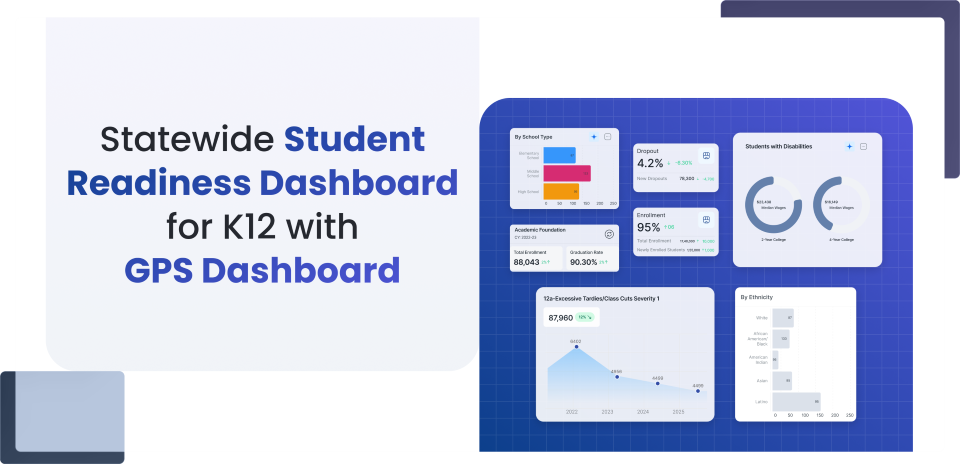
Across the country, state leaders are rethinking what it means for students to be ready. Academic scores matter, but they no longer tell the full story. Readiness now includes well-being, civic identity, career skills, and the ability to navigate a changing workforce. To support this journey, states need a more complete and connected view of student progress, something only a statewide student readiness dashboard for K12 can deliver.

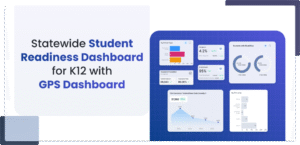
The Graduate Proceed to Succeed (GPS) Dashboard offers that view. It gives state education agencies a unified and AI powered way to understand how students move from early learning to long term success. It brings together the indicators that matter and turns them into clear, actionable insight. As a GPS dashboard for college and career readiness tracking, it supports a holistic readiness model designed for modern statewide needs.
Current systems often fall short because they highlight only test scores or graduation rates. The GPS Dashboard fills that gap by helping states:
  • Spot readiness risks early
  • Direct support to students and regions that need focused attention
  • Communicate progress with clarity to the public
Why States Need a Smarter Readiness Model
Readiness is shaped by far more than academics. It reflects well-being, opportunity, leadership experiences, financial stability, and exposure to real workforce pathways. Traditional dashboards rarely bring these pieces together. What states need is a statewide academic and well-being readiness dashboard that connects the full student experience.
The GPS Dashboard changes this model. It organizes readiness into four foundational pillars that give leaders a clearer sense of strengths, gaps, and trends across the state. This helps states understand where learners are thriving and where targeted support is needed.
The Framework Behind Real Student Readiness

1. Academic Foundation: Tracking the Core Indicators of Student Growth

Students need strong literacy, numeracy, problem solving, and consistent attendance to advance with confidence. The dashboard brings together key indicators such as enrollment and dropout patterns, absenteeism and attendance, assessment performance, and graduation outcomes. With this unified view, SEAs gain a K12 readiness indicators dashboard for state agencies that identifies academic risks early.
2. Lifelong Well Being : Understanding Conditions That Influence Learning
Academic progress is closely tied to daily conditions. The dashboard monitors discipline patterns, economic stability, food security, and access to health insurance, giving states a deeper view of how external factors shape learning. This strengthens the support systems available to students and families.

3. Civic Engagement: Measuring Participation and Leadership Development

Civic readiness prepares students to participate, lead, and contribute to their communities. The dashboard tracks involvement in leadership programs, service opportunities, and pre-apprenticeships, showing whether students are developing the mindset and skills for active citizenship.

4. Workforce Preparedness : Connecting Learning to Employment Outcomes

This pillar links learning with long-term opportunity. The dashboard tracks college and career readiness indicators such as AP, IB, dual enrollment, access to financial aid, persistence, and employment metrics like time to award and wages earned. This gives states a direct view of how prepared students are for the demands of the job market.
A Clearer Way to Track K-12 Performance
The GPS Dashboard goes far beyond displaying isolated data points. It provides statewide visibility that helps leaders shift from reactive reporting to real time understanding. It brings together a clear statewide overview, detailed insights across each focus area, trend analysis, benchmarking across regions, and AI supported outcomes that highlight emerging risks and opportunities.
This is exactly what states need as they adopt an early warning readiness system for state education departments to identify gaps before they widen.
This level of visibility strengthens transparency, supports informed communication, and gives agencies a confident foundation for strategic decision making.
AI Driven Q&A for Faster, More Confident Decisions
The GPS Dashboard takes readiness analysis beyond static charts and manual reporting. Its AI driven Q&A capability allows state leaders to explore data through simple, natural language questions. Leaders can ask focused queries such as:
  • Which districts show the widest gaps in college readiness?
  • Show the trend in workforce participation for graduates from low-income backgrounds
The dashboard responds with clear, data-grounded insights in real time. There is no need to sort through spreadsheets or navigate complex reports. The ability to access answers conversationally reduces time spent on analysis and helps leaders act sooner. It supports faster decisions, stronger resource alignment, and a more responsive approach to statewide planning.
From Data to Readiness with Clarity
Successful transitions from classroom to career do not happen by chance. They happen when systems have visibility and structure to support every student’s path.
The GPS Dashboard gives state agencies the insight needed to shape policy, direct resources, and strengthen readiness from K-12 through workforce entry. By unifying academic, well-being, civic, and workforce indicators, it provides a complete picture that guides smarter statewide decisions.
About Hexalytics
The GPS Dashboard is built by Hexalytics and designed for statewide scale, public transparency, and leadership ready insights. It helps states track what truly matters and ensures that readiness is more than a score. It becomes a shared commitment to student success from the classroom to the workforce.
If you want a modern readiness model that reflects the full student experience, the GPS Dashboard is built for the future of state education leadership.

See how GPS can elevate your statewide readiness strategy. Request a walkthrough at Hexalytics.
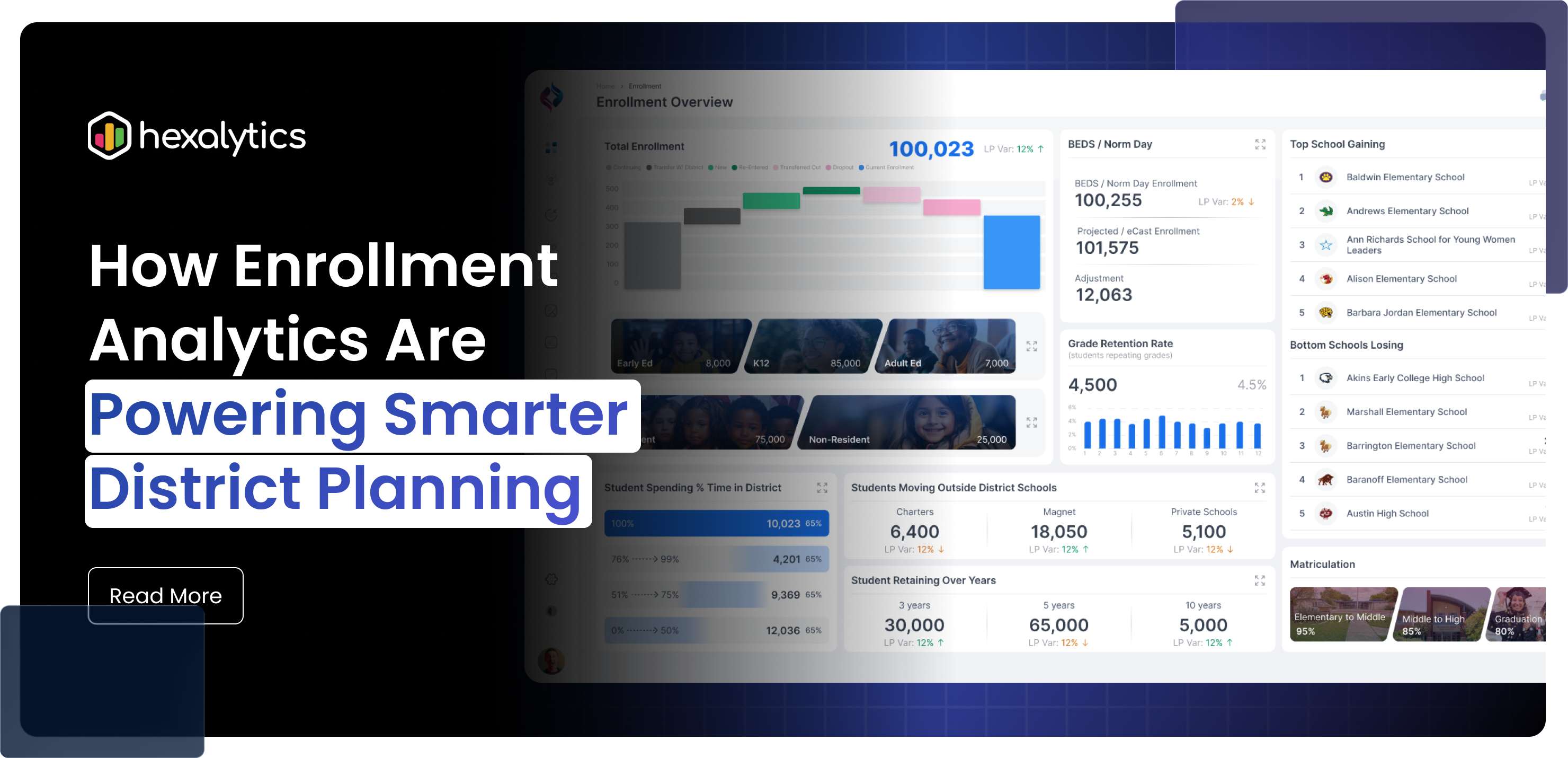
Request a GPS Dashboard Walkthrough to Explore Statewide Readiness Insights
Frequently Asked Questions
How does a statewide student readiness dashboard for K12 improve decision-making?
It brings academic, civic, attendance, and career indicators into one statewide model, helping leaders see trends faster and act with clarity instead of pulling data from separate systems.
Yes. A GPS dashboard for college and career readiness tracking integrates AP/IB, dual enrollment, persistence, and workforce data so state agencies can monitor progress across all districts with one consistent framework.
It detects shifts in attendance, academic growth, participation, and career pathway engagement early. This gives agencies time to direct support to the right schools before gaps expand.
It gives leaders a single view of statewide performance—showing trends, comparisons, and emerging needs—so policy, funding, and program decisions are grounded in real-time insight.
Yes. Clear state-level reporting helps agencies communicate progress across academics, civic engagement, attendance, and career readiness in a way communities can understand.
Absolutely. Modern dashboards support P-20 systems and statewide initiatives, giving multiple teams shared visibility into the full learner journey from early grades through workforce entry.

Key Takeaways:

  • Readiness needs more than academic metrics.
  • Unified indicators show whole-student progress.
  • Early signals surface readiness gaps sooner.
  • AI Q&A delivers instant clarity for leaders.
  • Connected data drives transparency and smarter planning.
  • Hexalytics powers it all with the GPS Dashboard.

Similar articles

Leave a Reply

Your email address will not be published. Required fields are marked *