During budget discussions, board members often ask how spending decisions connect to district priorities. When answers are not immediately clear, confidence slows and decisions stall.
School boards rely on dashboards to support financial oversight, strategic alignment, and long-term planning. Clear, contextual financial views enable confident governance.
The U.S. Government Accountability Office has found that decision quality improves only when financial information is structured, contextual, and actively used. Expanding access to data alone does not strengthen decision-making.
State agencies and accreditation bodies reinforce this expectation. Guidance from the California Department of Education and practices adopted by the WASC Senior College and University Commission emphasizes clarity, consistency, and interpretation to support responsible oversight and long-term value.
As ESSER funding sunsets and public scrutiny increases, boards face greater oversight demands with less margin for error. In this environment, leadership clarity depends on dashboards that support understanding and informed discussion.
How Integrated Dashboards Support Strong K-12 Board Governance
- Clear Focus on What Matters Most
Well-designed dashboards help boards focus on the most relevant financial indicators. By highlighting priority metrics, trends, and changes over time, leaders can quickly align discussions around what matters most without being overwhelmed by raw data.
- Strong Connection Between Spending and Outcomes
When financial data is integrated with performance and strategic indicators, boards gain a clearer understanding of how resources support district goals. This connection enables more informed discussions around impact, effectiveness, and long-term planning.
- Transparent CommunicationWiththe Community
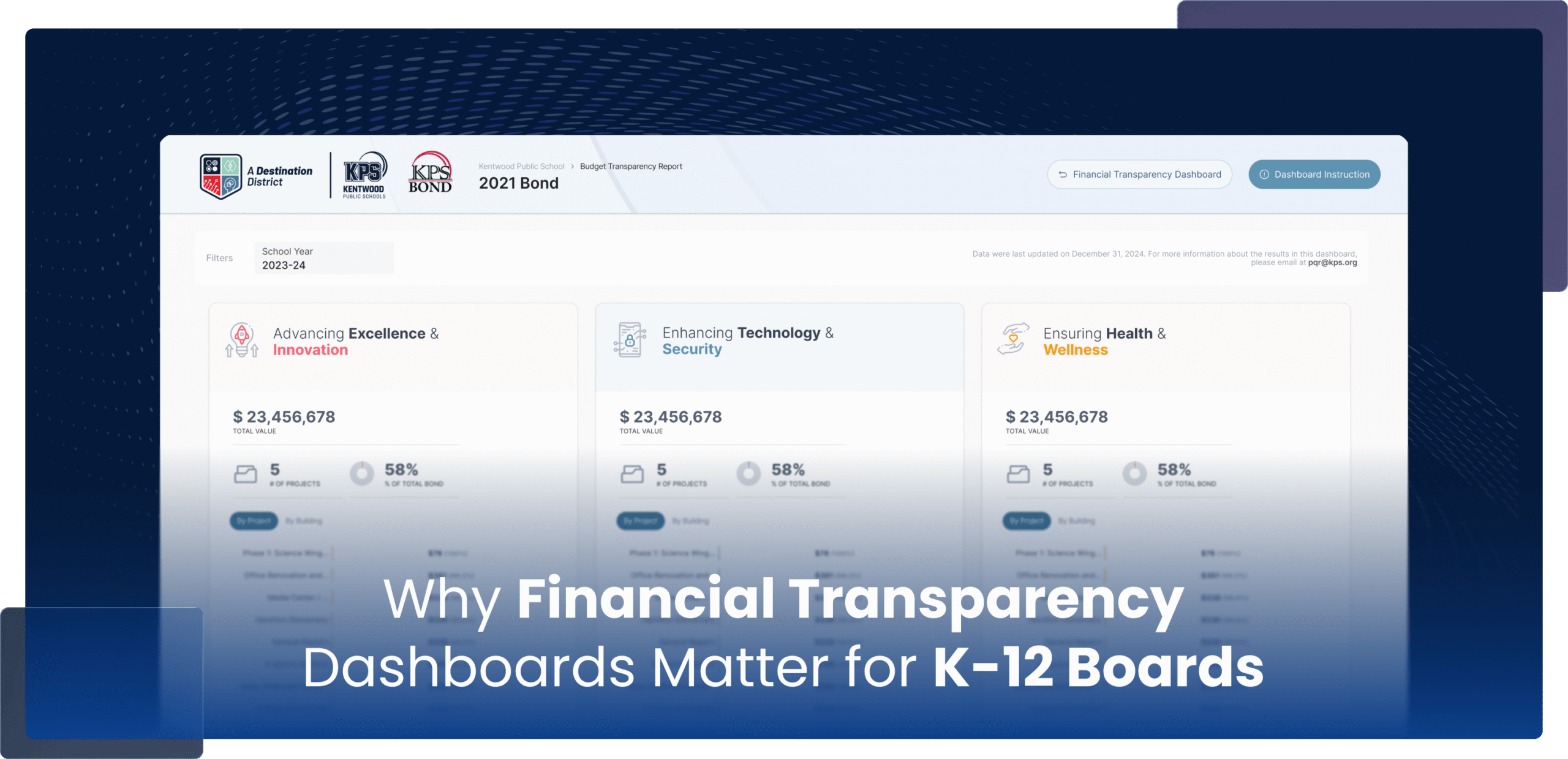
In an era of increased community engagement, clarity is essential. Public-Facing Financial Dashboards for Districts present financial information in a way that families, staff, and taxpayers can easily understand. This supports transparency, shared understanding, and public trust.
Modern Financial Transparency Framework for K-12 District Leaders
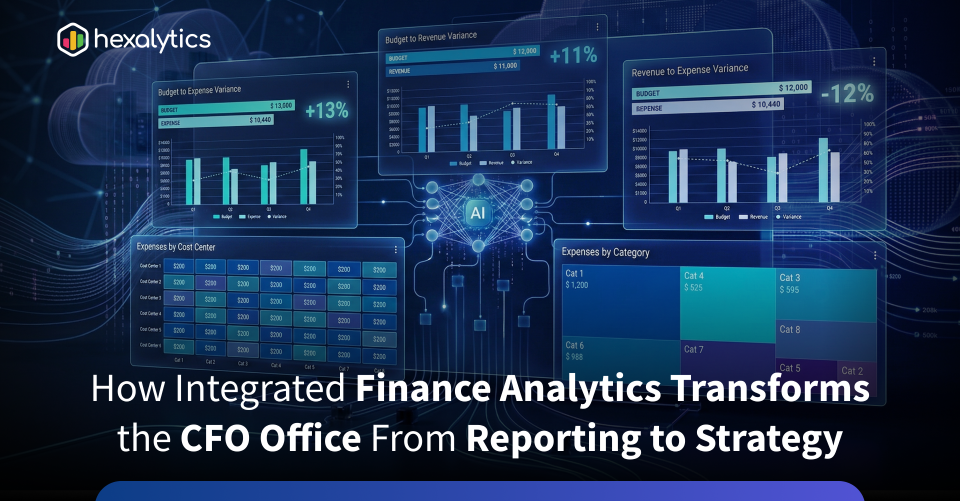
Connect Data Across Systems: Effective dashboards unify finance, performance, HR, and compliance data into a single view. School District Budget Tracking Software that connects expenditures to outcomes helps boards understand both fiscal health and return on investment.
Use Explainable Metrics: Clear definitions, plain-language labels, and intuitive filters help board members understand why metrics change over time. Explainable data supports shared understanding and more confident decision-making.
Forecast With Confidence: Predictive Budget Forecasting for Schools enables districts to model enrollment changes, funding scenarios, and policy impacts using integrated, up-to-date data. This supports proactive planning rather than reactive adjustment.
Integrate AI-Driven Insights: AI-Driven Financial Oversight for Education helps surface trends, patterns, and emerging risks more efficiently. This allows boards and leadership teams to focus their attention where it is most needed.
What Financial Transparency Looks Like for K-12 Communities
Financial transparency is most effective when it creates shared understanding across leadership and the community. Boards, administrators, and stakeholders benefit from financial information that is clear, accessible, and aligned with district priorities.
Federal requirements such as ESSA call for school-level per-pupil spending to be reported. When this information is delivered through contextual dashboards with clear drill-down views, boards can support equity reviews and informed spending discussions with confidence.
Many districts are adopting Public-Facing Financial Dashboards for Districts that connect strategic plans with live budget data. This approach makes financial transparency part of everyday communication rather than a periodic reporting exercise.
Real-Time Financial Transparency for K-12 is strengthened when administrators, board members, and community stakeholders access the same information.
Conclusion
Financial transparency is about making information clear, connected, and usable. When financial data is presented in a way that supports understanding and context, boards can engage in confident, informed governance discussions.
Real-Time Financial Transparency for K-12, supported by integrated dashboards and explainable metrics, enables leaders to move from review to action with clarity. As expectations for accountability continue to rise, districts benefit from tools that strengthen alignment, support oversight, and reinforce confidence in every board discussion.
About Hexalytics
Hexalytics builds custom dashboards for K-12 and higher education leaders, transforming complex financial and performance data into clear, actionable insight. The platform delivers flexible, AI-enabled capabilities that support School District Budget Tracking Software, AI-Driven Financial Oversight for Education, and Predictive Budget Forecasting for Schools. These capabilities are delivered through Public-Facing Financial Dashboards for Districts that promote shared understanding and transparency across the community. Bring clarity to your data.
Build confidence in every board discussion.
Explore how real-time financial transparency supports better decisions. | Contact us